Ben Moorsom

Engage or fade.

There is immense and complex competition at the gateway to the human mind.

Most of what organizations say never gets in.

Not ignored. Never registered.

The brain decides in seconds what earns a place.

That decision can be designed.

Ben Moorsom

Speaker · Author · Researcher · Founder, Debut Group

Behavioral engagement science for leaders who need audiences to act.

Thirty years understanding the behaviors behind engagement, and what makes any audience act on them.

Ben Moorsom

Engage or fade.

Behavioral engagement science for leaders who need audiences to act, not just attend.

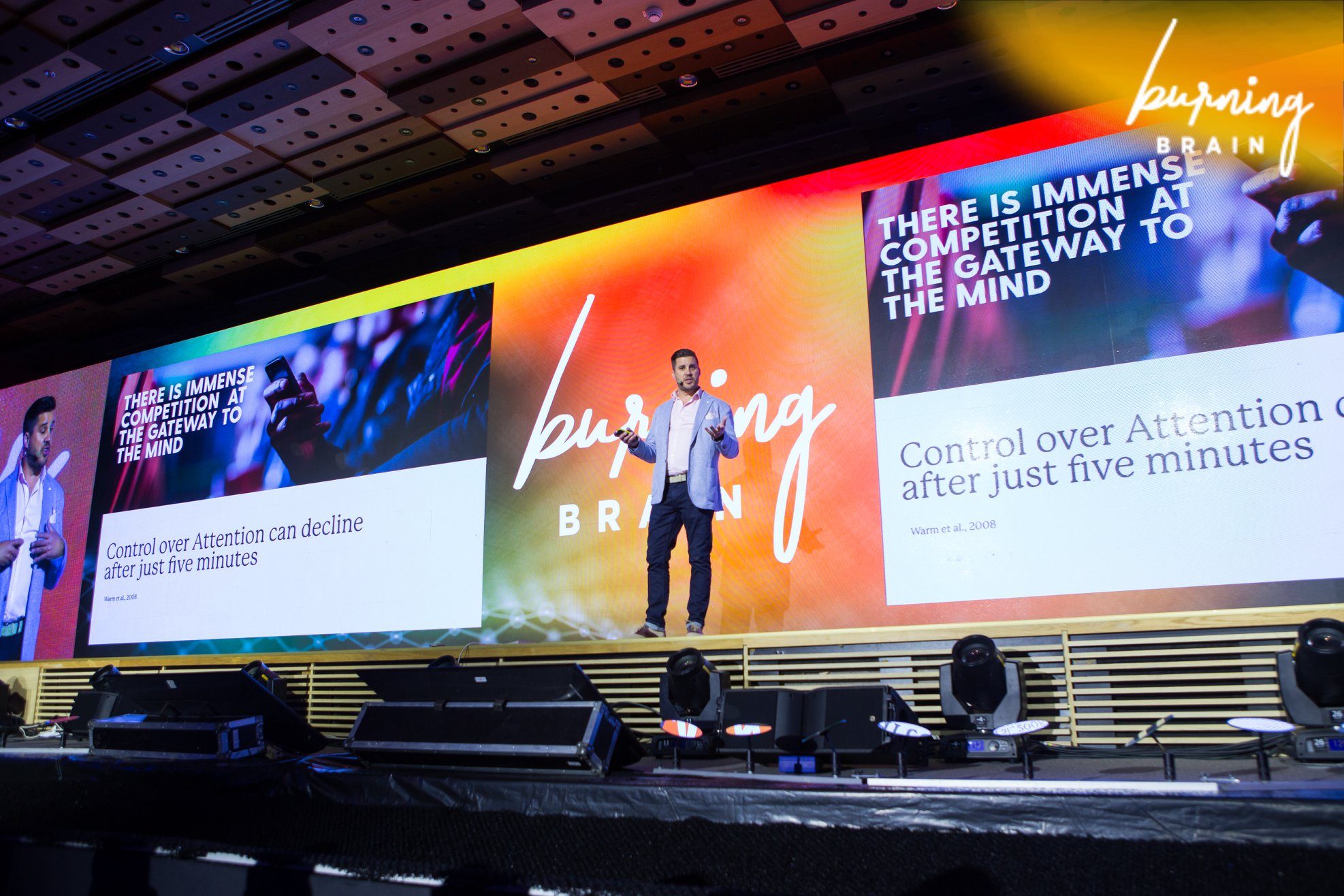
Ben Moorsom on a large stage, the screens behind him reading: there is immense competition at the gateway to the mind
Burning Brain, keynote

Ben, on stage.

A short highlight reel. The talks, the rooms and the thinking behind them follow below.

Highlight reel arriving here

For event planners and bureaus

The six questions you are here to answer.

The kind that counts.

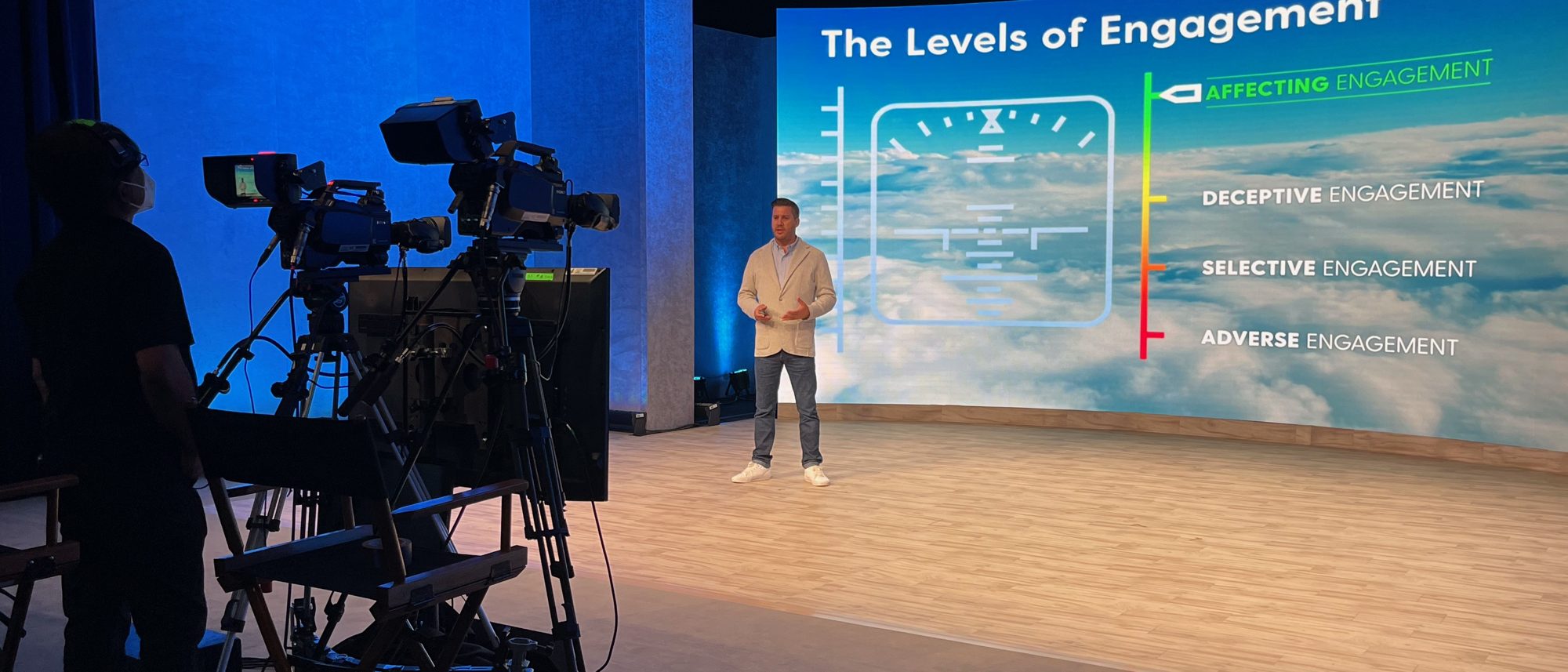
Affecting engagement is the kind that leads to the behavior your communication and experiences exist for. Not the open rate, the applause, the dwell time or the survey score. The decision, the change, the action afterward. Everything Ben speaks about is in service of that distinction.

What does Ben speak about?

How to attract attention instead of competing for it. Every message an organization sends has to cross the same ground: the complex cognitive terrain between a person's senses and the part of their mind that decides what matters. Most messages never make it across. Not ignored: never admitted.

Ben has spent thirty years mapping that terrain, working alongside behavioral researchers to understand what is affecting attention right now, in the most distracting environment audiences have ever lived in. He speaks about why pushing harder gets less through, why so many engagement efforts quietly work against themselves, and how to design communications, events, environments and experiences that the mind wants to let in. Leaders leave seeing their own audiences differently, and knowing where the path actually runs.

Why book Ben?

Because his understanding was earned in the room. Ben founded Debut Group in 1997 and has spent the years since studying real audiences: hundreds of live audits, a dedicated research team, and the frameworks (Neuroscaping, the Behavioral Experience Audit) that grew out of what they found.

He does not bring a theory of attention. He brings what thirty years of watching people engage, and fail to, has revealed about the gateway to the human mind, and he tells it so that a room carries it out with them.

What makes Ben different?

He starts from the mind, not the message. Most speakers on engagement talk about what to say and how often to say it. Ben talks about what the audience's brain is doing while you say it, and that changes the whole picture.

Consider the company that answered a disengaged workforce with more communication: more town halls, more email, more screens in the lobby. Attention went down. Not because people stopped caring, but because every additional message spent a little more of the finite attention the important ones needed, until nothing could get through. More does not move the needle. The right communication does, and Ben offers a new definition of what right means: not the loudest or the most frequent, but the message the mind is ready to admit, delivered when and where it can be held.

The harder truth, and the one he is most determined that leaders hear, is that much of what we have long believed to be engaging is producing the opposite effect. The loud pre-show music that makes an audience compete with the room. The visually saturated environment that spends people's cognitive currency before the message arrives. The trade show floor with nowhere to recover, so attendees leave early to find it. The branded surface on every wall that teaches a room to stop looking. These are not failures of effort. They are the effort itself, aimed the wrong way.

Ben's stories come from the field, not the literature alone, and he tells them so that a room recognizes its own practices in them. He speaks to the whole of it, employees, customers and the people you need to move, rather than one channel. And he does not leave an audience with a diagnosis. He shows them how to change course: how to read the terrain their own audiences have to cross, where their current efforts are making the crossing harder, and what attracting attention rather than competing for it looks like in practice. Leaders leave with a more effective outcome within reach, and a clear idea of the first step toward it.

Why is Ben right for your audience?

Ben is the right choice when your audience is responsible for reaching people and the usual signals are not telling them the truth. Marketing and brand leaders, communications and HR teams, event and experience owners, and executive groups about to spend real money on being heard.

He is especially effective with a skeptical room, because what he shows them is recognizable: they have watched their own efforts fade, and now they know why.

Audience takeaways

Attendees leave with:

  • A working understanding of how the brain decides what earns a place and what fades.
  • A map of the terrain their own audiences have to cross, and where their current practices are making the crossing harder.
  • The ability to look at any campaign, meeting, environment or experience through the audience's mind rather than the sender's intent.
  • A usable distinction between attention, engagement and affecting engagement.
  • One principle to apply to the next thing they send, stage or build.

Is Ben right for your event?

Tell him about the audience, what they are responsible for, and what you need them to think, feel or do differently afterward. He will give you a straight answer on fit. Then, on a pre-event call, he will learn the terrain your audience has to navigate in their own engagement efforts, the distractions, the habits and the assumptions in their way, and shape the session so it speaks to exactly that.

Start a conversationSee the two talks

Ben Moorsom

Thirty years asking one question. Why does engagement keep failing?

Most of what companies spend to be heard is waste. Ben set out to end it.

Ben founded Debut Group in 1997 and recognized early, before the industry had language for it, that most engagement work was not changing behavior. Applause was not action. He went looking for the reason and found it in the brain: attention is finite, the gateway to the mind is contested, and most programs lose the contest without knowing it.

He has spent every year since turning that insight into method. He assembled the first PhD team dedicated to the neuroscience of engagement, created Neuroscaping® and the Behavioral Experience Audit™, and built AffectCX™ to read affect at scale. Every framework carries the same intent: change the trajectory of how companies engage, and stop the waste. Wasted budget. Wasted hours. And the cognitive waste of audiences asked to attend and given nothing they can hold.

He still runs the audits himself, and works directly with leadership teams through his advisory practice at behavioralengage.com.
The problem

The metrics say engaged. The behavior says otherwise.

Clicks, dwell time, applause, survey scores. Every program reports them. Almost none of them tie back to what people did next. That is not a measurement problem. It is a design problem. Attention was won for a moment and lost before it turned into behavior. Ben has spent his career on that gap, because everything spent on the wrong side of it is waste: budget, hours, and the finite attention of the people in the room.

0 to 0%

of expo attendees leave the floor early to recover from it.

0 seconds

of silence brings a large venue to attention. Loud music makes it compete.

Every surface

branded teaches an audience to stop looking.

Findings from live audits

Adverse engagement. Tactics that produce the opposite of their intent.

Ben has run hundreds of live experience audits alongside behavioral researchers. The same pattern keeps surfacing: the industry's favorite tactics quietly work against it.

  1. Loud pre-show music makes audiences compete with the room.Silence wins the room.
  2. Visually stimulating environments spend the audience's cognitive currency before the message arrives.They need counterbalance.
  3. Trade shows cut restorative space as non-revenue.Attendees cut their visit short to find it anyway.

None of this is intuition. All of it is measured.

Ben Moorsom in a broadcast studio in front of a slide titled The Levels of Engagement, from Adverse to Affecting
The levels of engagement, from adverse to affecting

The method

Cognitive design. Ben's research, proven in the room.

More than fifteen years ago Ben assembled the first PhD team dedicated to the neuroscience of engagement. The frameworks below are his, built from that work, and every one of them is still measured against behavior, not applause.

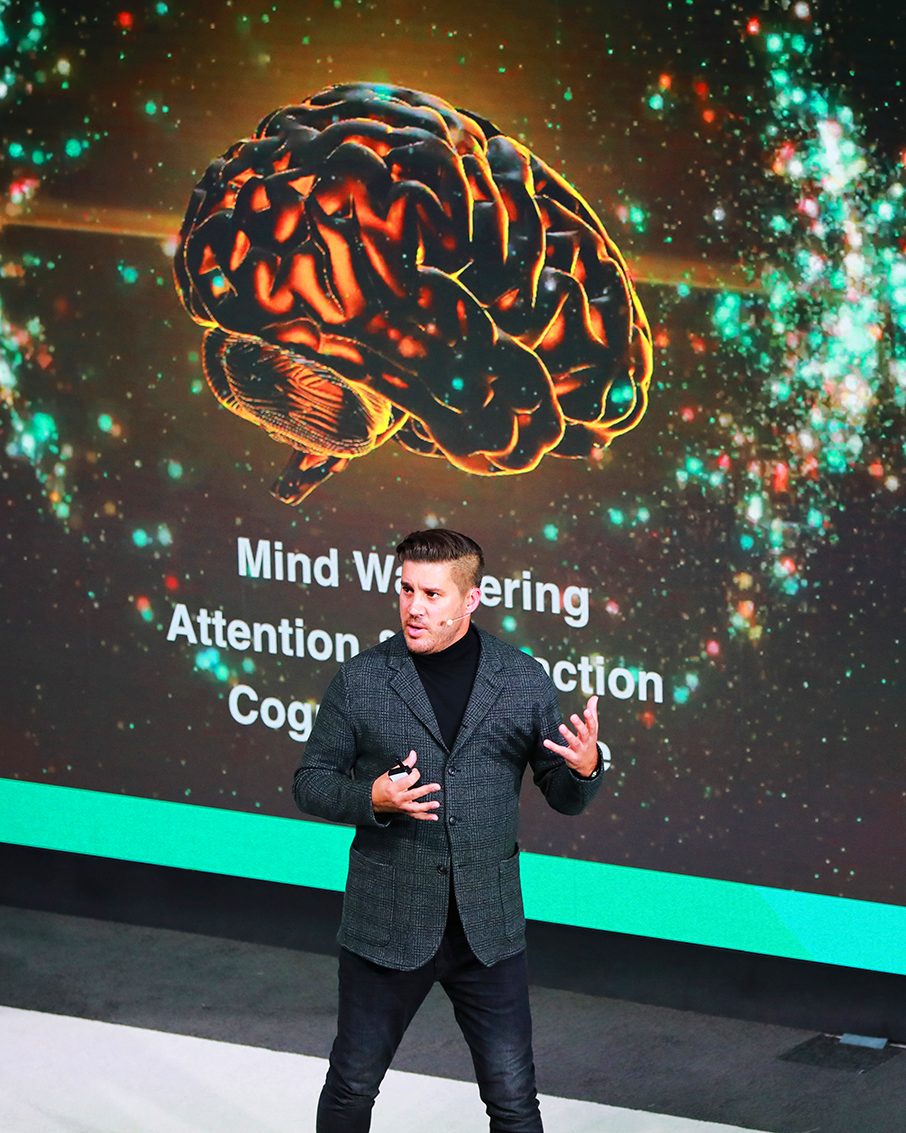
Ben Moorsom presenting Neuroscaping in front of a large screen showing a brain
Neuroscaping®, on stage
  1. Neuroscaping®Designing environments and experiences for how the brain actually processes them.
  2. Behavioral Experience Audit™A diagnostic of how an organization engages across every vehicle it uses.
  3. Cognitive Resonance™Attentional economics, strategic mood induction and value internalization, in that order.
  4. Audience Priming Effect™What the audience is set up to feel before the first word decides what the words can do.
  5. ALIGN System™The strategic frame that keeps a program pointed at one behavior.
  6. Inner Voice Experience™A tested format that changed attitudes in a randomized trial.
  7. AffectCX™AI-powered behavioral intelligence, reading affect at scale.

Proof

Behavior changed. Competitors copied it.

Bristol Myers Squibb

Ben doubled attendance and time spent by attracting attention instead of competing for it. Competitors copied the approach.

Salesforce

Eight years investigating and affecting behavioral design factors for event systems.

Google

Ben led audience diversity work across Google's event systems.

Behavioral change-makers

SalesforceGoogleAmgenBristol Myers SquibbEli LillyNissanBMWBayerRocheRoyal BankOpenText

What leaders say

From the people who have seen it work.

  1. Engagement is key to business success. But now more than ever, companies are struggling to define it. Ben Moorsom dives into the science of engagement and presents revolutionary, effective, and highly-applicable strategies to drive meaningful engagement across your organization. An indispensable resource for any senior leader or entrepreneur.
    Brian Tracy
    Best Selling Author & Business Development Specialist
  2. Ben Moorsom is an expert in engagement. He's opened my eyes to possibilities that lie on the other side of traditional practices; the places we can go when we start putting ourselves in our customer's shoes. The Debut Group team has helped us transform conference experiences throughout our organization and we've seen highly improved customer engagement after implementing Ben's design insights.
    Denise Dalton
    Executive Director, Engagement Planning, Bristol Myers Squibb
  3. On the journey that Ben and I have been on, I've seen his relentless quest for finding novel ways to enhance the human experience, whether live, online, or even interpersonal interactions. Over the years, my companies, brands, and teams have benefited from Debut Group's amazing thought leadership and execution.
    Murdo Gordon
    EVP Global Commercial Operations, Amgen

Keynotes and leadership sessions

Two talks. One outcome: audiences that act.

Engage or Fade

Why cognitive design is the future of how organizations communicate. What the brain admits, what it discards, and the small design decisions that decide which.

Ideal for leadership conferences, marketing and communications summits, and any audience about to spend real money on being heard.

They leave with a way to tell attracting attention from competing for it, and the first practice to change.

Engagement: Decoded

The science behind the book. The myths of engagement, the barriers hiding inside your own efforts, and how to see them.

Ideal for executive offsites, HR and internal communications teams, event and experience owners, and skeptical rooms.

They leave with a map of the terrain their own audiences have to cross, and the distinction between engagement and affecting engagement.

Pre-session call with Ben.
Live session, tailored to your audience. Q&A.
Available for leadership offsites, congresses and internal summits.

Beyond the stage, Ben advises leadership teams directly at behavioralengage.com and through Debut Group, the consultancy he founded in 1997.

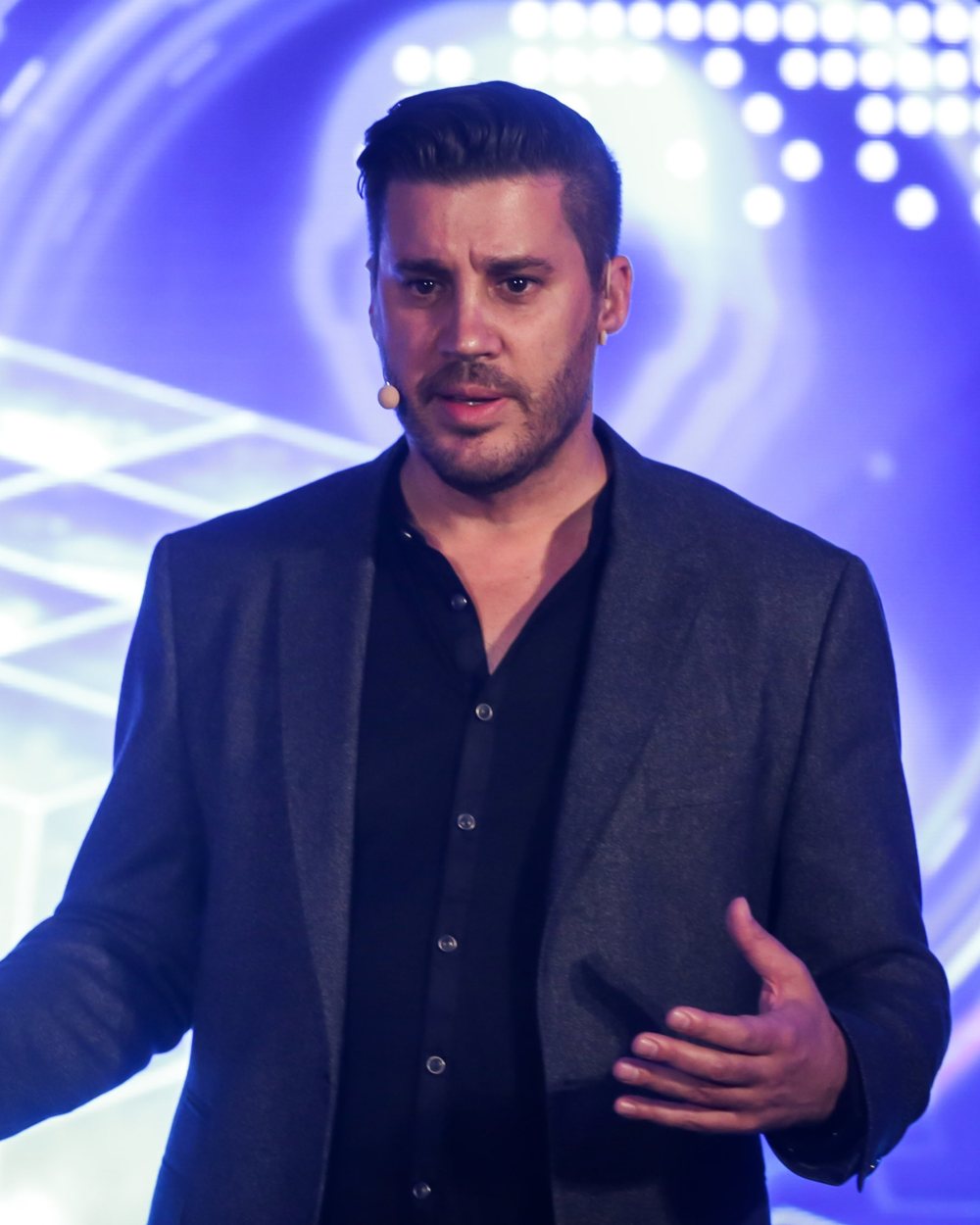
Ben Moorsom speaking on stage
An audience member filming Ben on stage at Burning Brain
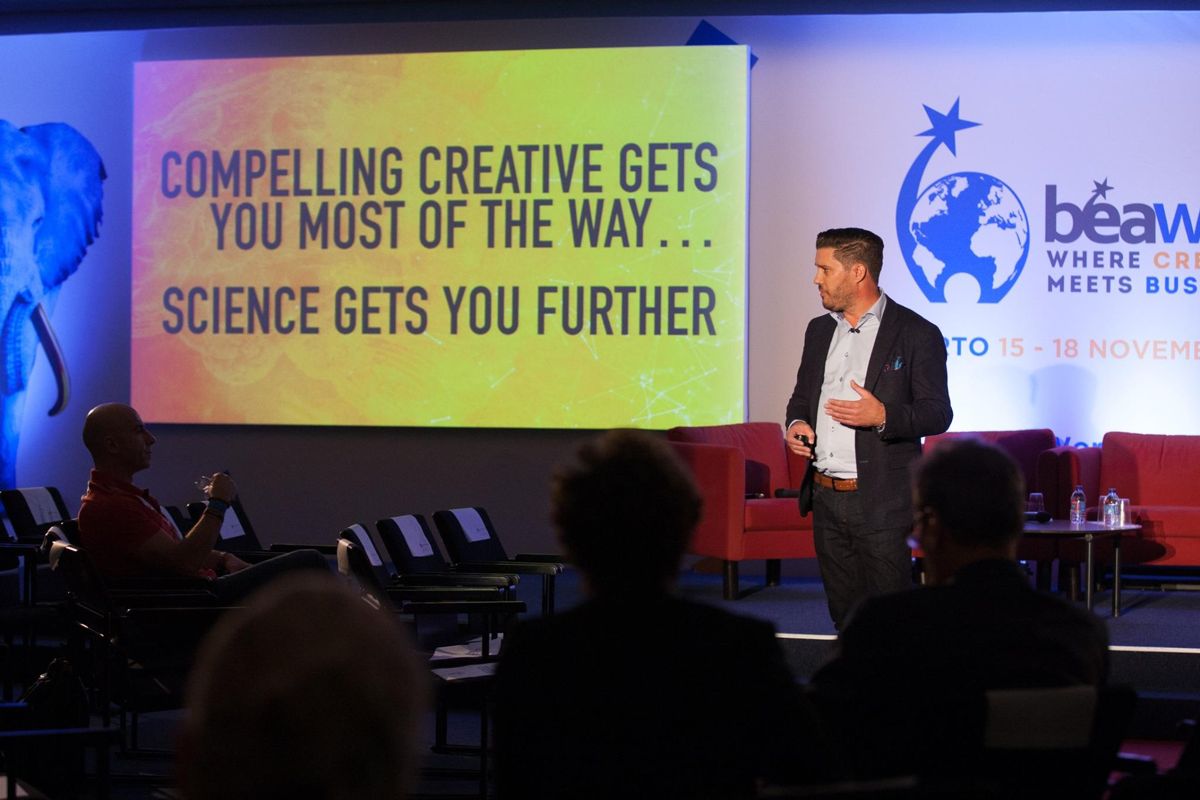
Ben on stage at BEAW in Porto beside a slide reading compelling creative gets you most of the way, science gets you further
Ben on stage in front of a slide reading know the mind
Ben speaking from within the audience at a conference
Engagement: Decoded, Second Edition, by Ben Moorsom. Stone busts dissolving into dust.

The book

Engagement: Decoded.

Second Edition

Why Disengagement Is Accelerating and the Behavioral Design Leaders Need to Reverse It

Ben's account of why audiences disengage faster every year, and the behavioral design that turns it around. Written for the leaders who own the outcome.

Before you write

Questions leaders ask first.

Is this only about events?

No. Events are where the work started and where behavior is easiest to measure. The same science applies to communications, environments, customer experience and internal change.

Will the session be tailored to our audience?

Every one. The pre-session call exists to learn your audience's real barriers, and the talk is built around them.

How is this different from an engagement agency?

Agencies report interaction. Ben measures what people did afterward, and brings the research that explains why.

What does a keynote or session cost?

It depends on format, audience and location. Start a conversation and you will have a clear answer within a day.

Start a conversation

Tell me what your audience needs to do.

One short note. Ben reads every one.

Or email info@benmoorsom.com
Connect on LinkedIn